


Copper
- Latin Name: Cuprum
- Common Name: Copper
- Category: Essential Trace Mineral
- Source: Found naturally in seafood, nuts, seeds, grains, and certain vegetables.
What is Copper?
Copper is an essential trace mineral needed for many vital functions in your body. This mineral plays a role in energy production, forming healthy connective tissue, and supporting antioxidant defenses. Your body requires only small amounts daily, but copper is involved in numerous enzymatic reactions that keep you healthy and active.
Copper Benefits
Healthy Energy Production
Copper helps enzymes generate energy within your cells. It works alongside iron to form red blood cells and transport oxygen efficiently throughout your body. Without adequate copper, you may feel tired more easily, as this mineral supports cellular energy metabolism.
Healthy Skin and Hair
Copper contributes to collagen and elastin formation, which helps maintain firm, youthful-looking skin. This mineral also plays a role in melanin production, the pigment responsible for skin tone and hair color. Adequate copper levels may help support healthy skin texture and natural hair pigmentation.
Antioxidant Protection
Copper acts as a cofactor for superoxide dismutase, a key antioxidant enzyme in your body. This enzyme helps neutralize free radicals that can damage cells. By supporting antioxidant defenses, copper may help protect your cells from oxidative stress.
Nervous System Health
Copper assists in myelin formation, which is essential for normal nerve signaling. This mineral helps maintain proper nerve function, which becomes especially important as you age. Adequate copper intake may support healthy nervous system activity.
Immune Support
Copper supports a healthy immune response by helping white blood cells function properly. This mineral plays a role in immune system strength. Maintaining adequate copper levels may help support your body's natural defenses.
Healthy Energy Production
Healthy Skin and Hair
Antioxidant Protection
Nervous System Health
Immune Support
PureHealth Research Products With Copper

Complete Vision Formula
Clarity | Focus | Protection
Complete Vision Formula delivers 8 research-backed ingredients that promote clear vision, enhance visual acuity, and protect eye health. It also supports macular health, reduces eye strain, and improves night vision.
Subscribe & Save 10%
Shop Now
Bone Health Formula
Strength | Density | Protection
Bone Health Formula contains 11 bone-boosting minerals and vitamins that strengthen and protect bones, support cartilage health, and supply bones with essential building blocks, including Calcium, Zinc, Magnesium, and Vitamins D3 & K2.
Subscribe & Save 10%
Shop Now
Immuno
Immunity | Protection | Wellness
Immuno is a powerful immune-boosting supplement with 11 research-backed ingredients that supports immune system function, protects against harmful environmental factors, nourishes your body on the cellular level, and promotes overall health and wellness.
Subscribe & Save 10%
Shop Now
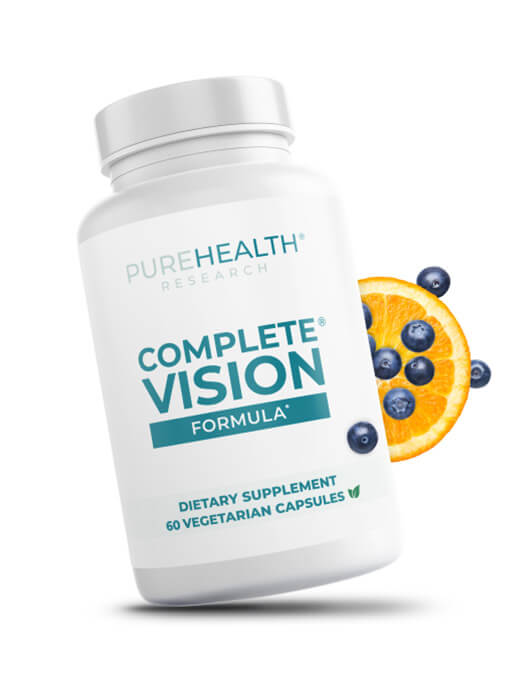
Complete Vision Formula
Clarity | Focus | Protection
Complete Vision Formula delivers 8 research-backed ingredients that promote clear vision, enhance visual acuity, and protect eye health. It also supports macular health, reduces eye strain, and improves night vision.
 Subscribe & Save 10%
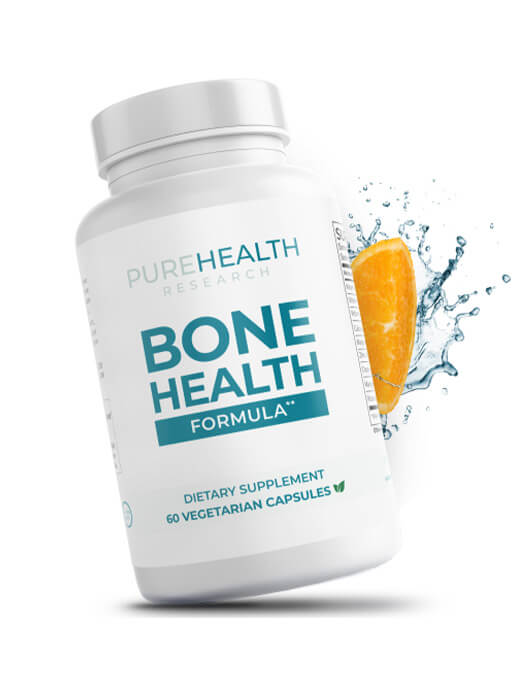
Bone Health Formula
Strength | Density | Protection
Bone Health Formula contains 11 bone-boosting minerals and vitamins that strengthen and protect bones, support cartilage health, and supply bones with essential building blocks, including Calcium, Zinc, Magnesium, and Vitamins D3 & K2.
Subscribe & Save 10%
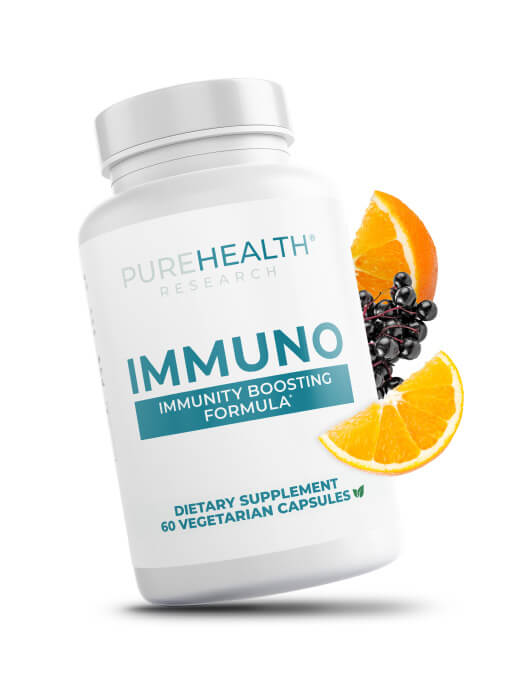
Immuno
Immunity | Protection | Wellness
Immuno is a powerful immune-boosting supplement with 11 research-backed ingredients that supports immune system function, protects against harmful environmental factors, nourishes your body on the cellular level, and promotes overall health and wellness.
Subscribe & Save 10%
Recommended Copper Dosage
Adults typically need about 0.9 mg (900 µg) of copper per day, according to dietary guidelines. Pregnant or breastfeeding women may need slightly more, around 1,000-1,300 µg daily. The upper limit for copper from all sources is 10 mg per day for adults, as excessive amounts may cause unwanted effects.
Demographic
Recommended Daily Intake (µg)
Adults (19-50)
900
Women (51+)
900
Men (51+)
900
Pregnant Women
1,000
Breastfeeding Women
1,300
Upper Limit
10,000
Note: Most people can meet copper needs through dietary sources such as shellfish, nuts, seeds, and whole grains. Supplementation should only be considered if dietary intake is insufficient.
Interactions with Other Ingredients
Copper works closely with other minerals in your body, and balance is important.
Copper and zinc together These minerals compete for absorption in your digestive tract, so excessive zinc intake (over 40 mg daily) can reduce copper absorption. A balanced intake of both minerals is vital for optimal health. Magnesium and copper Magnesium supports enzymatic reactions that involve copper and helps maintain overall mineral harmony. Well-balanced formulas provide trace minerals in appropriate proportions to support your body's needs.
High-Copper Foods
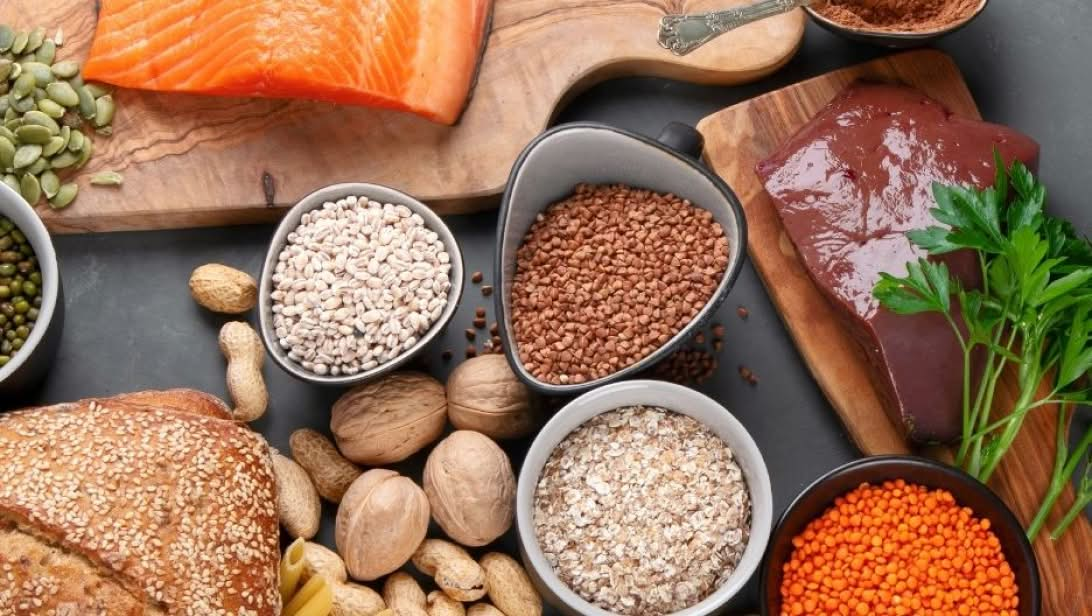
Copper occurs naturally in many plant and animal foods, making it relatively easy to obtain through diet. Including a variety of copper-rich foods can help you meet your daily needs. High copper foods include:
- Shellfish (oysters, crab, lobster)
- Seeds and nuts (sunflower seeds, cashews, almonds)
- Organ meats (liver)
- Dark chocolate and cocoa
- Whole grains (quinoa, oats, barley)
- Legumes (chickpeas, lentils)
- Mushrooms (especially shiitake)
A balanced diet combined with trace-mineral supplementation can help maintain optimal copper levels. Most people get adequate copper from food sources alone.
Copper Side Effects and Tolerance
Copper is generally safe at normal dietary levels for most healthy adults. Your body efficiently regulates copper absorption and excretion to maintain proper balance. However, excessive intake (over 10 mg per day) may lead to digestive upset, nausea, or vomiting.
In rare cases, very high copper intake can cause more serious effects on the liver or kidneys. Health authorities recommend staying within the upper limit of 10 mg daily to maintain safe copper levels. If you take copper supplements, follow the dosage guidelines on the product label or as advised by your healthcare provider.
FAQ
References
What causes copper deficiency?
Copper deficiency is rare but can occur due to digestive disorders that impair nutrient absorption, such as celiac disease or Crohn's disease. Excessive zinc supplementation can also lead to copper deficiency by blocking its absorption. Additionally, certain surgeries affecting the stomach or intestines may reduce copper absorption.
What happens if you have a copper deficiency?
Copper deficiency may cause fatigue and weakness due to reduced red blood cell production and energy metabolism. Other symptoms can include frequent infections, bone weakness, and nerve-related issues such as numbness or tingling. In severe cases, deficiency may lead to anemia or neurological problems.
How much copper per day is safe?
The safe daily intake for adults is 0.9 mg (900 µg), with an upper limit of 10 mg from all sources. Most people get enough copper through a balanced diet. Taking moderate copper supplements as directed is generally safe, but exceeding the upper limit may cause health issues.
Can copper cause toxicity?
Copper toxicity is rare in healthy individuals because your body naturally regulates copper levels. Toxicity typically occurs only with extremely high intake (over 10 mg daily) or in people with genetic conditions affecting copper metabolism. Symptoms of excess copper may include nausea, vomiting, diarrhea, and in severe cases, liver damage.
Is copper good for the skin?
Yes, copper may support skin health by contributing to collagen formation, which helps maintain skin firmness and elasticity. Copper also acts as a cofactor for enzymes involved in melanin production. Adequate copper levels may help support healthy skin tone and texture as part of overall wellness.