


GABA
- Latin Name: Gamma-Aminobutyric Acid
- Common Name: GABA
- Category: Neurotransmitter / Amino Acid Derivative
- Source: Produced naturally in the brain and found in certain fermented foods or synthesized for supplements.
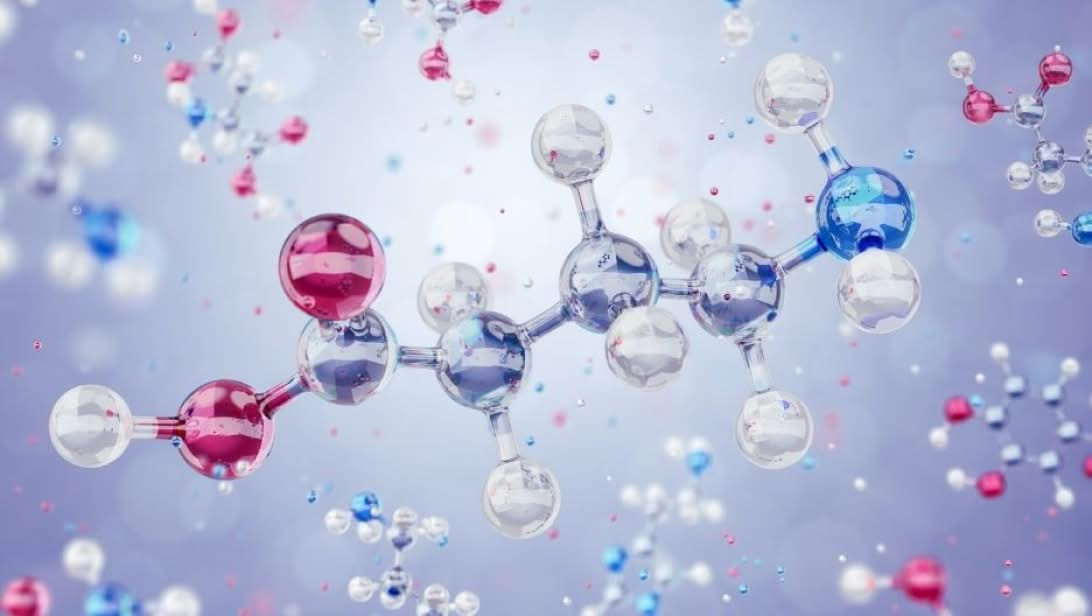
What is GABA?
GABA is a naturally occurring neurotransmitter that helps regulate communication between brain cells. As the main inhibitory neurotransmitter in your central nervous system, it slows down brain activity by blocking specific signals. This creates a calming effect that supports relaxation, mood balance, and restful sleep. GABA levels can fluctuate with stress, age, and lifestyle factors, making it an important factor in overall mental wellness.
GABA Benefits
Promotes Relaxation and Calmness
GABA works by balancing excitatory and inhibitory brain activity, which helps create a sense of calm. It slows down overactive brain signals that contribute to feelings of tension. This inhibitory action helps the body unwind after periods of mental strain, making it easier to transition into a more relaxed state throughout the day.
Supports Healthy Sleep Patterns
GABA supports the natural sleep-wake cycle by promoting deeper rest and helping you fall asleep more easily. Studies show it may reduce the time it takes to fall asleep and increase total sleep time. When paired with melatonin, GABA can work synergistically to enhance relaxation before bedtime and support more restorative sleep quality.
Encourages Emotional Balance and Stress Adaptation
GABA helps the brain cope with occasional stress by regulating neural excitability during demanding situations. It works well with adaptogens like ashwagandha to support a balanced stress response. By maintaining healthy neurotransmitter activity, GABA helps keep emotions stable during challenging times and supports overall mental resilience.
Maintains Cognitive Focus and Mental Clarity
GABA encourages balanced signaling between nerve cells, which helps maintain attention and composure during demanding tasks. It prevents neurons from becoming overactive, allowing for clearer thinking. This balanced neural activity supports focus without causing drowsiness when taken at appropriate doses during the day.
Promotes Relaxation and Calmness
Supports Healthy Sleep Patterns
Encourages Emotional Balance and Stress Adaptation
Maintains Cognitive Focus and Mental Clarity
PureHealth Research Products With GABA

Ageless Brain
Memory | Focus | Clarity
Ageless Brain contains 8 research-backed ingredients that strengthens memory retention, cognitive brain functions, learning, concentration, mental clarity, and alertness. It also, improves mood, and overall well-being.
Subscribe & Save 10%
Shop Now
Sleep Formula
Fall Asleep | Deep Sleep | Relaxation
Sleep Formula contains 9 research-backed ingredients designed to address the three pathways of sleep disruption. This natural blend helps reduce the time it takes to fall asleep, promotes deeper and longer sleep cycles, calms racing thoughts and physical restlessness, and supports healthy circadian rhythm. It also helps you wake feeling refreshed and energized.
Subscribe & Save 10%
Shop Now
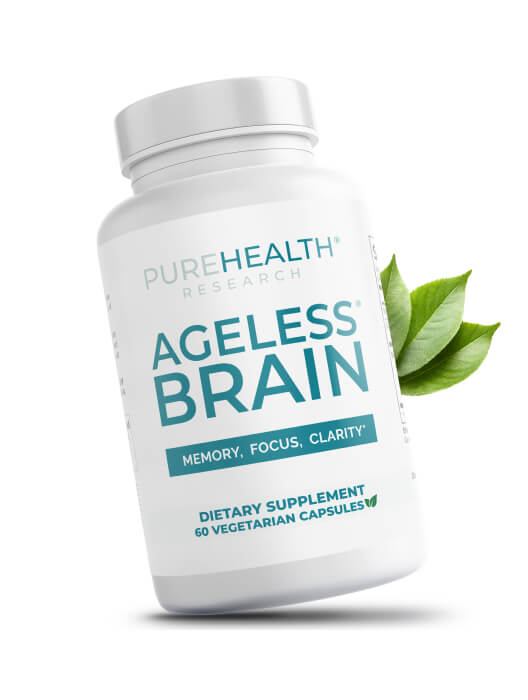
Ageless Brain
Memory | Focus | Clarity
Ageless Brain contains 8 research-backed ingredients that strengthens memory retention, cognitive brain functions, learning, concentration, mental clarity, and alertness. It also, improves mood, and overall well-being.
 Subscribe & Save 10%
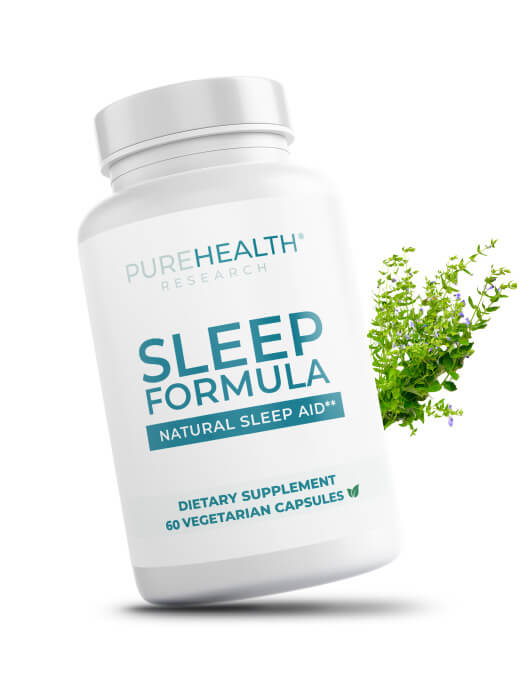
Sleep Formula
Fall Asleep | Deep Sleep | Relaxation
Sleep Formula contains 9 research-backed ingredients designed to address the three pathways of sleep disruption. This natural blend helps reduce the time it takes to fall asleep, promotes deeper and longer sleep cycles, calms racing thoughts and physical restlessness, and supports healthy circadian rhythm. It also helps you wake feeling refreshed and energized.
Subscribe & Save 10%
GABA Dosage for Anxiety
For calm and stress support, typical doses range from 75 to 500 mg taken 1 to 2 times daily. Most people start with a lower dose around 100 to 200 mg to assess how their body responds. GABA helps maintain relaxation and mental balance during occasional stress by supporting the brain's natural calming pathways. It works particularly well when combined with ashwagandha for adaptogenic support or magnesium for enhanced calming effects. Taking GABA about 30 to 60 minutes before stressful situations can be beneficial.
GABA Dosage for Sleep
For nighttime use, a typical range is 75 to 300 mg taken 30 to 60 minutes before bedtime. Research shows this dosage can help reduce the time it takes to fall asleep and increase deep sleep phases. GABA supports relaxation and deeper rest but is not a sedative sleep medication. Many people pair it with melatonin or herbal sleep nutrients for enhanced relaxation effects. Starting with 100 mg allows you to find the right amount for your individual needs.
Age Group/Purpose
Recommended Daily Intake (mg)
Adults (18-50)
100-300
Women (51+)
100-300
Men (51+)
100-300
Older Adults (65+)
75-200
Stress Support
100-500
Sleep Support
75-300
Upper Limit
500
Note: For stress support, take 1-2 times daily or 30-60 minutes before stressful situations. For sleep support, take 30-60 minutes before bedtime. Start with 100 mg to assess individual response.
Interactions with Other Ingredients
Ashwagandha and GABA These two work together to create adaptogenic and calming synergy for stress balance. Ashwagandha helps regulate cortisol levels while GABA provides direct calming effects on brain activity. This combination is popular in sleep and stress support formulas for its complementary mechanisms of action. Magnesium and GABA Magnesium supports the brain's natural calming pathways and helps activate GABA receptors more effectively. This mineral plays a role in regulating neurotransmitter activity and can enhance GABA's relaxing effects. Many sleep supplements combine these two ingredients for synergistic benefits. GABA and Melatonin When used together, GABA and melatonin may enhance relaxation and promote restful sleep. Melatonin regulates your sleep-wake cycle while GABA calms brain activity. This combination addresses both the timing and quality of sleep from different angles. GABA vs Serotonin Both neurotransmitters contribute to calm mood, but they work through different pathways in the brain. GABA is the main inhibitory neurotransmitter that blocks signals, while serotonin is a modulatory neurotransmitter that regulates mood, sleep, and appetite. The two systems interact and influence each other to maintain balanced brain function.
Foods That Contain GABA
Some foods naturally contain GABA or support its production in your body. Fermented foods are particularly rich in GABA because beneficial bacteria produce it during fermentation:
- Fermented foods - kimchi, yogurt, miso, tempeh, sauerkraut
- Whole grains - brown rice, barley, oats, sprouted grains
- Fruits - bananas, cherries, tomatoes
- Vegetables - spinach, broccoli, cabbage, cauliflower, Brussels sprouts, potatoes, sweet potatoes
- Nuts & Seeds - almonds, sunflower seeds, pumpkin seeds
- Tea - green tea, oolong tea (contains natural GABA and L-theanine)
The amount of GABA in food servings is generally lower than supplement doses, but including these foods regularly can support your body's natural GABA production over time.
GABA Side Effects
GABA is generally well-tolerated when taken within recommended amounts. Most people experience no serious side effects at typical doses. Some individuals may experience mild effects, particularly when first starting supplementation:
- Drowsiness or Sleepiness - Some people feel more relaxed than expected, especially at higher doses or when combined with other calming supplements.
- Tingling Sensations - A temporary tingling feeling, usually in the face or extremities, can occur shortly after taking GABA. This typically fades quickly.
- Temporary Changes in Heart Rate - At very high doses, some people may notice slight changes in heart rate or blood pressure. These effects are usually mild and temporary.
- Digestive Discomfort - Occasionally, people may experience mild stomach upset or nausea, particularly at higher doses.
Avoid combining GABA with excess alcohol or sedative medications, as this may enhance drowsiness. If you're taking any medications affecting the nervous system, consult with a healthcare provider before using GABA supplements.
FAQ
References
Is GABA the same as Gabapentin?
No, GABA and gabapentin are not the same. GABA is a naturally occurring neurotransmitter and dietary supplement. Gabapentin is a prescription medication designed to mimic some effects of GABA in treating seizures and nerve pain. While gabapentin was originally designed based on GABA's structure, it works differently in the body and requires medical supervision.
Can I take GABA every day?
Yes, many people take GABA daily at recommended doses. Studies show that doses around 100 to 300 mg daily are generally safe for regular use. Starting with a lower dose and gradually adjusting based on your response is best. For ongoing support, taking GABA consistently for at least one week allows you to assess its effects on stress and sleep patterns.
Does GABA help lose weight?
GABA is not primarily used for weight loss. However, it may indirectly support healthy weight management by helping regulate stress and improving sleep quality. Chronic stress and poor sleep are both linked to weight challenges. Some research suggests GABA plays a role in appetite regulation, but more studies are needed to understand its direct effects on weight. GABA should not be relied upon as a weight loss supplement.
Can GABA make you sleepy during the day?
At appropriate doses, GABA typically promotes calmness without causing significant daytime sleepiness. However, some sensitive individuals may feel drowsy, especially when first starting or at higher doses. If you experience unwanted daytime sleepiness, consider taking GABA only in the evening before bed or reducing your dose. Most people find it supports relaxation without interfering with daytime alertness when used correctly.