


Rhodiola
- Latin Name: Rhodiola rosea
- Common Name: Rhodiola, Arctic Root, Golden Root
- Category: Adaptogenic Herb
- Source: Grown in cold mountain regions of Europe and Asia; roots used for extract or powder
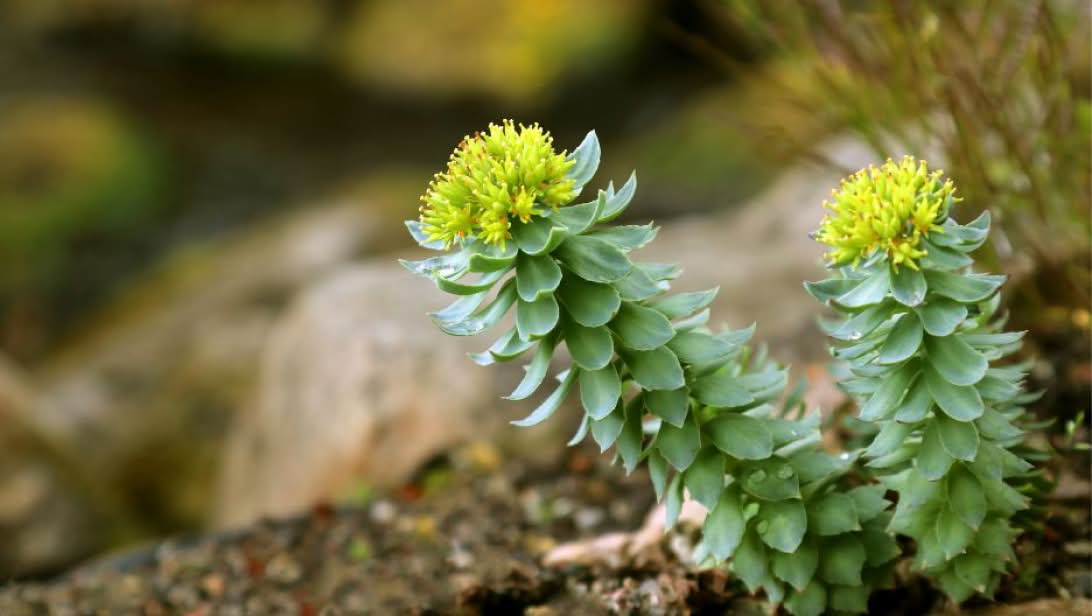
What is Rhodiola?
Rhodiola, also known as golden root, is a hardy plant that thrives in cold, mountainous regions of Europe and Asia. For centuries, this adaptogenic herb has been valued in traditional practices across Russia, Scandinavia, and parts of Asia for its ability to help the body adapt to physical and emotional stress. As an adaptogen, rhodiola supports the body's natural resilience, helping you maintain steady energy and mental clarity when facing demanding situations.
Rhodiola Benefits
Stress and Mood Support
Rhodiola may help maintain the body's natural stress response and emotional balance. Studies suggest it can support healthy cortisol levels, helping you feel more resilient during busy or demanding periods. By working with your body's stress mechanisms, rhodiola promotes a calmer state of mind. Research indicates that rhodiola preparations can be effective in alleviating stress-induced symptoms and improving overall mood stability.
Energy and Stamina
This herb supports sustained physical energy and endurance without the jittery effects of stimulants. Rhodiola may help reduce occasional fatigue and support your body's energy utilization throughout the day. Athletes and active individuals have traditionally used rhodiola to maintain performance during physical activities. Studies show that rhodiola supplementation can improve time-to-exhaustion and enhance physical performance in active individuals.
Mental Clarity and Focus
Rhodiola helps maintain concentration, mental clarity, and cognitive function, especially during stressful periods. It may support alertness and mental performance without causing overstimulation. Those facing demanding mental tasks often find rhodiola helpful for staying focused. Rhodiola may improve symptoms of fatigue and enhance cognitive capacity under stress conditions.
Healthy Weight Management
By supporting metabolic balance and energy utilization, rhodiola may complement your weight management efforts. This herb helps the body adapt to stress, which can influence eating patterns and energy metabolism. When combined with a balanced diet and regular activity, rhodiola supports your body's natural metabolic processes.
Heart and Adrenal Support
Rhodiola promotes balanced adrenal function and supports a healthy cardiovascular response to stress. It helps maintain the body's natural rhythms and energy systems. By working with your adrenal glands, rhodiola encourages a sense of calm focus while supporting overall vitality throughout the day.
Stress and Mood Support
Energy and Stamina
Mental Clarity and Focus
Healthy Weight Management
Heart and Adrenal Support
PureHealth Research Products With Rhodiola

Nootropic Mushroom Formula
Focus | Memory | Mood
Nootropic Mushroom Formula contains 12 research-backed ingredients designed to support cognitive function and mental clarity. This powerful blend helps promote memory recall, sharpen focus, improve decision-making skills, and support overall brain health. It also helps maintain mood balance and reduce mental fatigue.
Subscribe & Save 10%
Shop Now
Stress Release Complex
Mood | Sleep | Wellness
Stress Release contains 9 research-backed ingredients designed to support the body's natural stress response, reduce metal fatigue, promote relaxation and better sleep, enhance immune function, and improve overall health & wellness.
Subscribe & Save 10%
Shop Now
Gastro Health Formula
Heartburn | Reflux | Digestion
Gastro Health Formula contains 6 research-backed ingredients that are clinically proven to address the primary causes and symptoms of acid reflux and heartburn. This powerful blend helps form a protective barrier against stomach acid, promotes faster stomach emptying, supports tissue repair in the esophagus and stomach lining, and helps reduce nausea and discomfort. It also helps calm stress triggers that may contribute to digestive issues.
Subscribe & Save 10%
Shop Now
Acne Clear Formula
Protect | Repair Damaged Skin
Acne Clear formula contains 11 research-backed ingredients designed to combat acne outbreaks. This powerful blend helps balance hormones, optimize liver function, protect and repair damaged skin, reduce stress, inflammation, and excessive oil production.
Subscribe & Save 10%
Shop Now
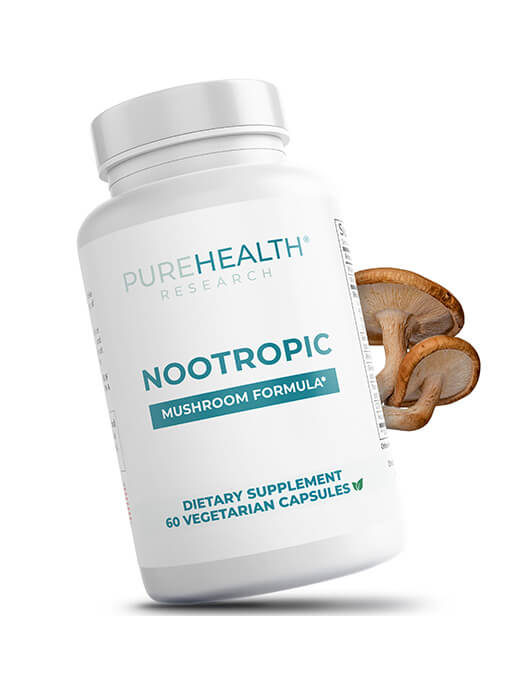
Nootropic Mushroom Formula
Focus | Memory | Mood
Nootropic Mushroom Formula contains 12 research-backed ingredients designed to support cognitive function and mental clarity. This powerful blend helps promote memory recall, sharpen focus, improve decision-making skills, and support overall brain health. It also helps maintain mood balance and reduce mental fatigue.
 Subscribe & Save 10%
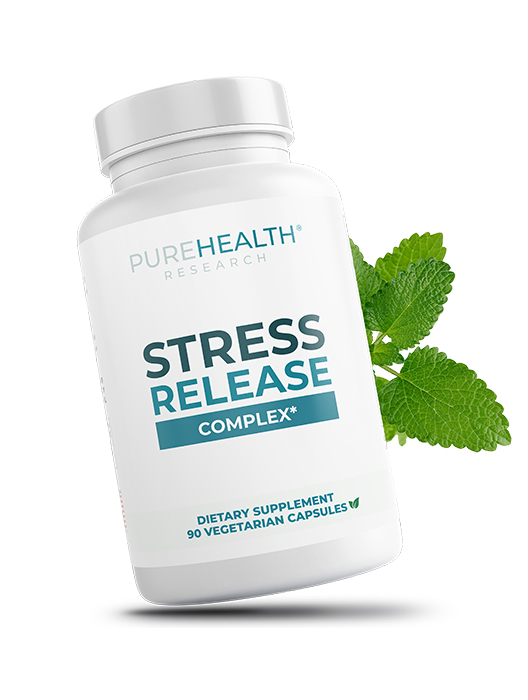
Stress Release Complex
Mood | Sleep | Wellness
Stress Release contains 9 research-backed ingredients designed to support the body's natural stress response, reduce metal fatigue, promote relaxation and better sleep, enhance immune function, and improve overall health & wellness.
Subscribe & Save 10%
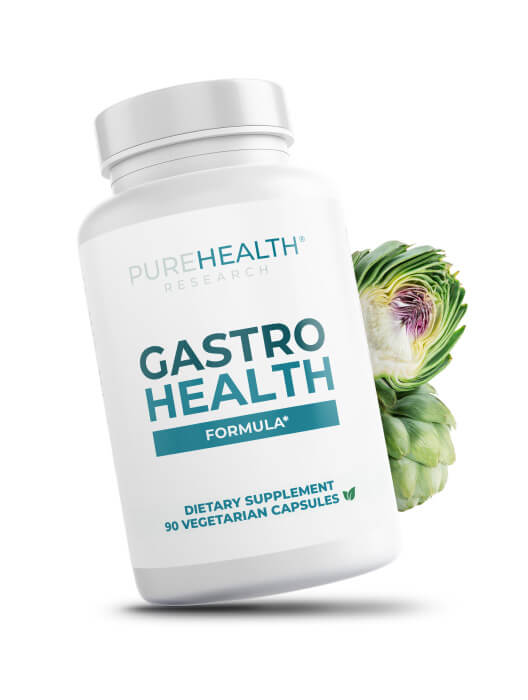
Gastro Health Formula
Heartburn | Reflux | Digestion
Gastro Health Formula contains 6 research-backed ingredients that are clinically proven to address the primary causes and symptoms of acid reflux and heartburn. This powerful blend helps form a protective barrier against stomach acid, promotes faster stomach emptying, supports tissue repair in the esophagus and stomach lining, and helps reduce nausea and discomfort. It also helps calm stress triggers that may contribute to digestive issues.
Subscribe & Save 10%

Acne Clear Formula
Protect | Repair Damaged Skin
Acne Clear formula contains 11 research-backed ingredients designed to combat acne outbreaks. This powerful blend helps balance hormones, optimize liver function, protect and repair damaged skin, reduce stress, inflammation, and excessive oil production.
Subscribe & Save 10%
Rhodiola Dosage
Age Group
Recommended Daily Intake (mg)
Adults (18-50)
200-400
Women (51+)
200-400
Men (51+)
200-400
Older Adults (65+)
200-300
Stress Management
300-400
Physical Fatigue
400-600
Upper Limit
600
Age Group
Recommended Daily Intake (mg)
Adults (18-50)
200-400
Women (51+)
200-400
Men (51+)
200-400
Older Adults (65+)
200-300
Stress Management
300-400
Physical Fatigue
400-600
Upper Limit
600
The effective rhodiola dosage typically ranges from 200 to 600 mg per day of standardized extract. Most studies use extracts standardized to 3% rosavins and 1% salidroside, which are the key active compounds. Daily doses of 200 to 400 mg have shown beneficial effects in clinical trials for stress and fatigue management. The ideal dosage depends on individual needs, age, and the specific formulation you're using. Starting with a lower dose allows you to assess how your body responds before adjusting as needed.
Interaction with Other Ingredients
Rhodiola and Ashwagandha These two adaptogens may work well together, with rhodiola providing energizing support and ashwagandha offering calming effects. Together, they may promote balanced energy throughout the day while supporting stress resilience. This combination helps maintain both mental alertness and emotional calm. Rhodiola and Ginseng When combined, rhodiola and ginseng are often used for physical endurance and mental alertness. Both herbs support energy metabolism and stamina. This combination may enhance cognitive function and improve the body's response to demanding situations. L-Theanine and Rhodiola Rosea This pairing may promote calm focus without drowsiness. L-theanine provides relaxation effects while rhodiola supports alertness and energy. Research shows that combinations including rhodiola and L-theanine can effectively support stress management and mental clarity.
Rhodiola Side Effects
Rhodiola is generally well-tolerated by most people when taken within recommended dosages. Some individuals may experience mild side effects, particularly when taking higher doses. Possible effects include dizziness, dry mouth, or occasional jitteriness when consumed in excess. Taking rhodiola late in the day may affect sleep for some people, as it can increase alertness. If you experience any unusual reactions, consider adjusting your dosage or timing. Safety studies indicate that rhodiola is safe for most adults when used for up to 12 weeks.
FAQ
References
What does Rhodiola do?
Rhodiola works as an adaptogen to help your body manage stress more effectively. It supports physical and mental energy, helps maintain cognitive function, and promotes emotional resilience. By working with your body's natural stress response systems, rhodiola may help you feel more balanced and energized during demanding situations.
When to take Rhodiola?
Most people take rhodiola earlier in the day, such as in the morning or early afternoon. Taking it later in the evening may interfere with sleep for some individuals due to its energizing properties. For best results, consider taking rhodiola with food to support absorption and reduce any potential digestive sensitivity.
How to take Rhodiola?
Rhodiola is typically taken as a capsule or tablet containing standardized extract. Follow the dosage instructions on your product label, usually starting with 200 mg per day. You can take it with or without food, though taking it with meals may improve tolerance. Consistent daily use tends to provide the best results.
How long does Rhodiola rosea take to work?
Some people notice effects within the first week of use, particularly improvements in energy and mood. However, the full benefits of rhodiola typically develop over 2 to 4 weeks of consistent use. Clinical studies show that the most significant improvements in fatigue and stress symptoms often appear after one week of treatment and continue to improve through 8 weeks of use.